Hi William,
For scalability and projects like ours getting things translated to local languages is really important, perhaps we can help through the experiences from doing it[ in our project to create a general solution for other languages. Certainly only truly scalable solution I can see is using an LLM based translation that is then curated and modified to make it accurate by someone who is trying to do it in that specific language, leaving essentially minor edits to be done.
That’s fine with the brute force copy for now, if you could point us to it we will get cracking with it. Thank you.
As far as the choice v6 was chosen as I have personal experience printing it and assembling it during covid in Edinburgh. Also the total amount of plastic is less (185 grams vs 250) and for scaling it it cuts the manufacturing cost both in plastic weight and printing time for us. We might go for v7 if you say it’s more robust and usable, I haven’t dug in to the stls to see what we could optimize/remove to lower the plastic weights so maybe it’s a good idea. As far as the optics go, I was surprised too, as it doesn’t have a condenser lenses for the led but to be fair the blurriness around the edges of cells and tissues seems quite high to me.
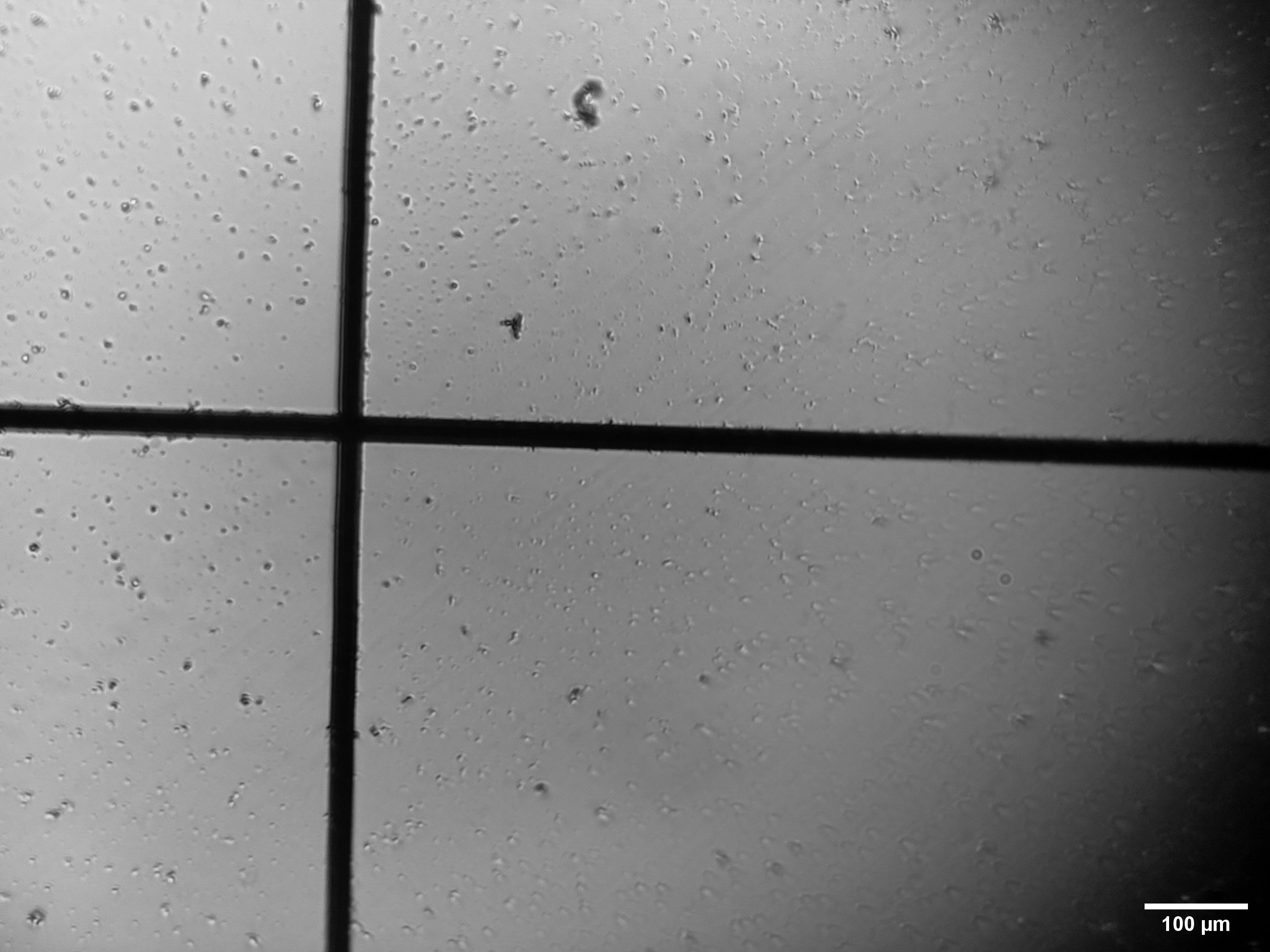
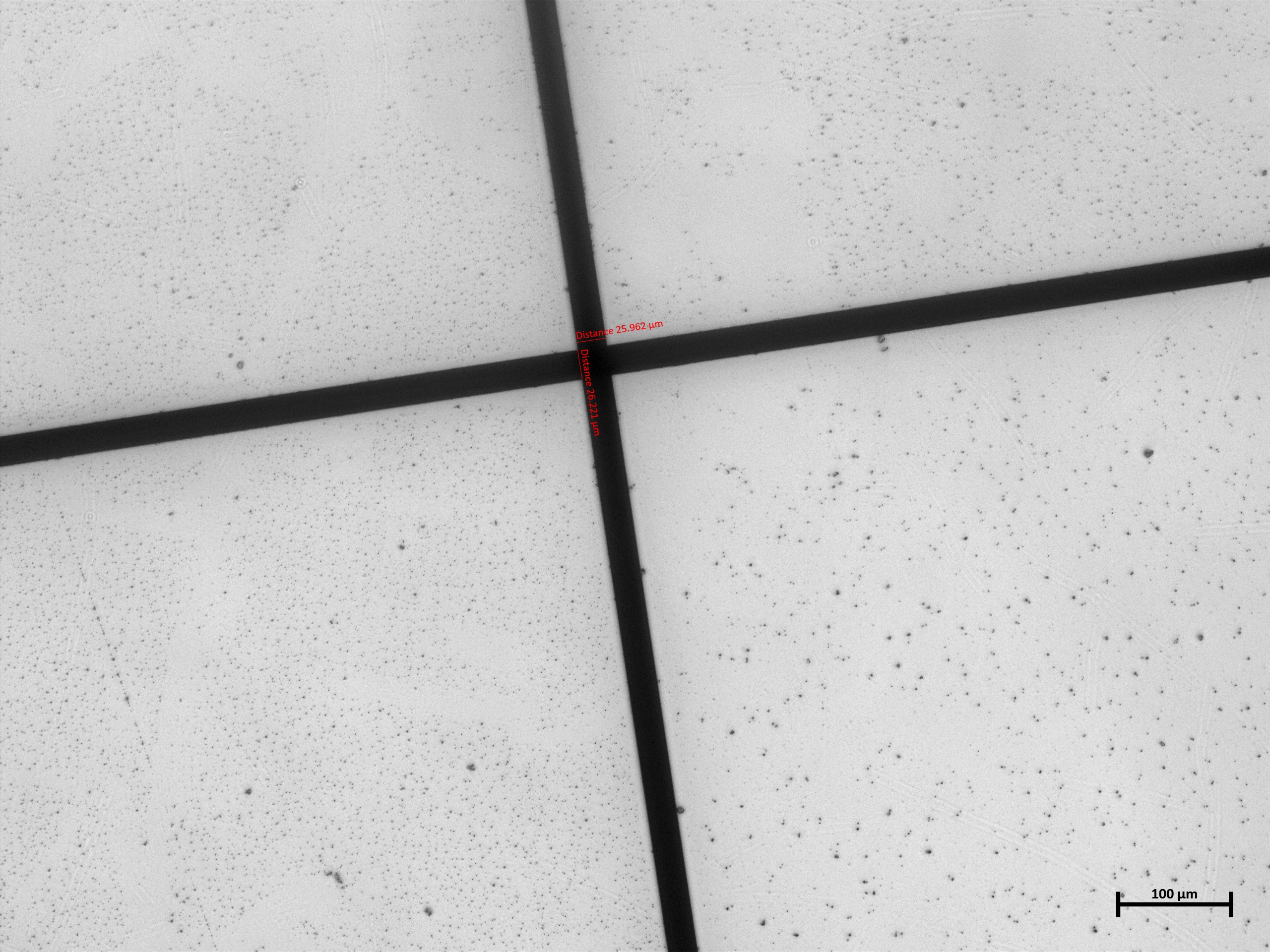
Here’s a picture of a mesh micrometer with line thickness of 26 um taken with ZEISS LSM 900 10 times objective and the v6 low cost optics module with v1.3 camera: